Prime Silinktech(Shenzhen) Co.,Ltd

Liquid Silicone Rubber Molding Technologies & Applications
Upload Time:
Jun 09, 2026
The diverse properties of silicone rubber make LSR a widely used material across industries | Different molding techniques convert the LSR with distinct procedures to the desired shape or geometry.
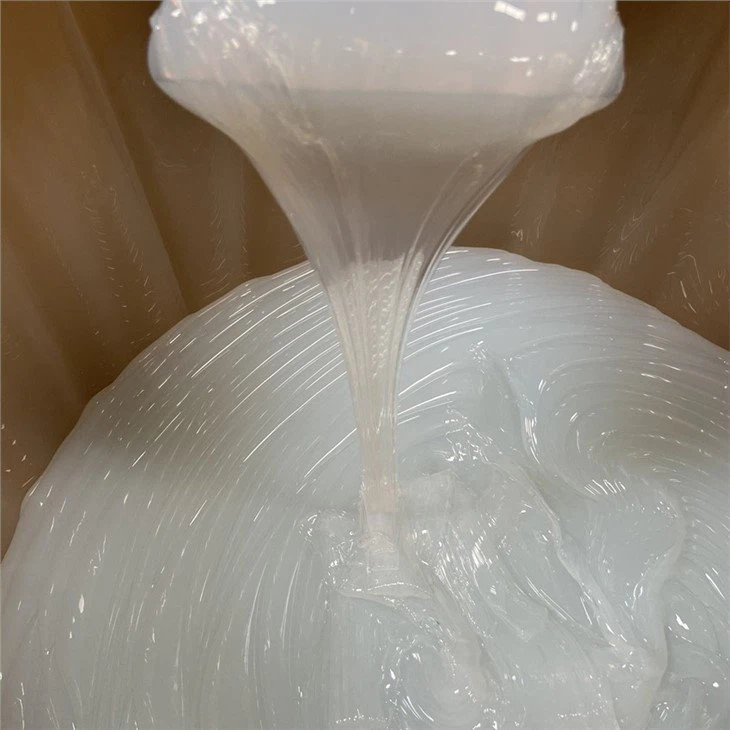
一 What is LSR Molding?
It is one of the LSR manufacturing processes that shapes it into durable, flexible, and intricate parts.
二 What is liquid silicone molding used for?
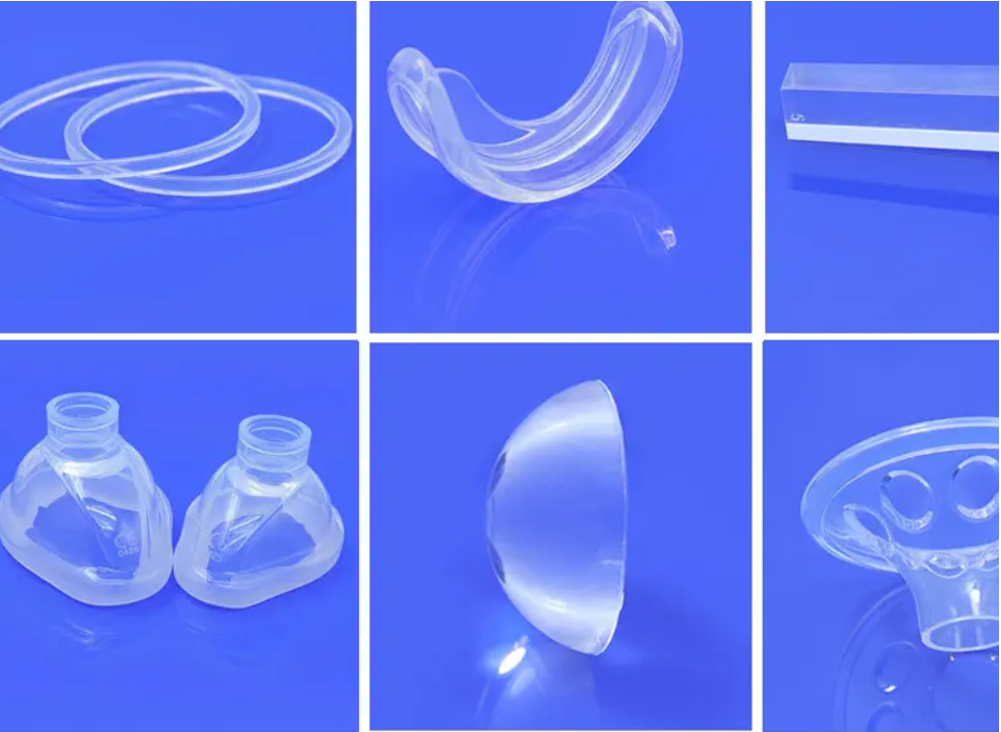
Liquid silicone molding produces components for medical devices, electronics, automotive, kitchenware, aerospace, and other industries,
三 What is the difference between liquid silicone and silicone rubber molding?
The main difference is their state: LSR molding uses silicone in a liquid, whereas silicone rubber molding typically involves solid silicone rubber.
四 LSR Compression Molding
Compression molding is the simplest method of Liquid Silicone Rubber molding. It involves molding the liquid silicone into a preheated open mold instead of injecting it. The typical pre-heating temperature is 170-200 °C, depending on the size and thickness of the intended part.
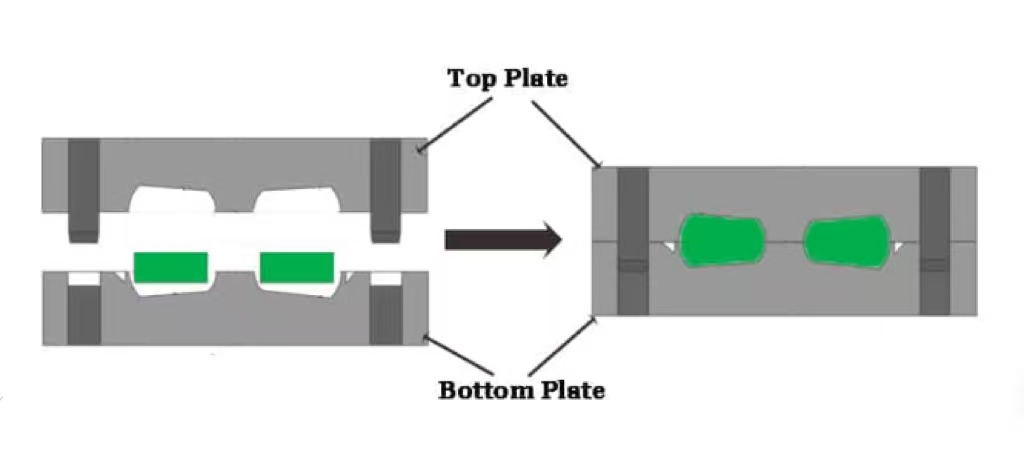
After placing the material, a pressing mechanism compresses the material. This compression ensures the flow of material. Then, it captures the details of mold cavities.Here, the mold pre-heating, placing it in an open mold, and compression step all contribute to the longer production cycles. Thus, it fits for small to medium-volume production.
五 What are the Applications of Liquid Silicone Rubber Molding?
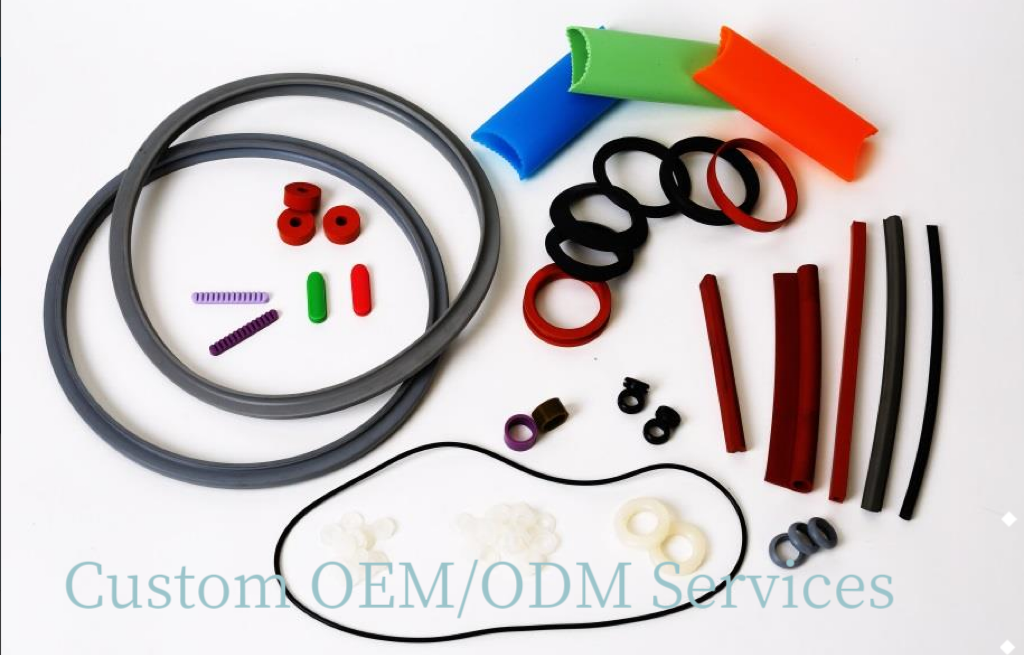
The diverse properties of silicone rubber make LSR a widely used material across industries. Different molding techniques convert the LSR with distinct procedures to the desired shape or geometry. The application ranges from Silicone Prototyping to large volume runs.
The following table highlights the Liquid Silicone Rubber Molding Applications with examples.
Industry
Application Examples
Medical Industry
Surgical Tool Grips, Catheters, Medical Gaskets, Endoscopic Caps, Insulin Pump Components, Respiratory Masks, etc.
Automotive Industry
Engine Seals, Gaskets, O-Ring Seals, Suspension Bushings, Transmission Parts, Spark Plug Boots, and Air Intake Systems.
Consumer Electronics
Tablet Cases, Keyboard Covers, Drone Gaskets, Smartwatch Bands, Sealing for various devices, and more.
Sports and Leisure
Diving Masks, Protective Gear Inserts, Fitness Equipment Handles, Sport Shoe Inserts, Knee Pads, Elbow Guards, etc.
Aerospace
Fuel Hoses, O-rings, Insulation Seals, Grommets, Hydraulic Seals, Valve Liners, Window Seals, etc.
Dental Products
Mouthguards, Dental Picks, Orthodontic Aligners, Denture Adhesives, and Implants.
六 Advantages of LSR Compression Molding
- The LSR compression molding reduces material waste.
- It can fill complex molds with fine details, such as sealing membranes with thin walls.
- The flexibility in die design provides the best result with Custom Silicone Parts.
- This molding is most suited for metal inserts on the silicon rubber parts.
- The curing time of silicone rubber compression molding is less than the LSR injection molding.
- It can be automated like injection molding to increase production efficiency and precision.
Summing Up
Molding is the best approach to utilize the various useful physical, mechanical, and chemical properties by converting them into functional parts or components.
Different Silicone Rubber Injection Molding types can be applied based on design complexity and desired outcomes of the molding project.
The LSR injection molding is preferred for producing precision and intricate detail parts in large numbers. Meanwhile, compression molding is more suitable for manufacturing simpler geometries at low cost.
Relevant News


Contact Us
Unit 1207, Factory Building 1,Yahui Long Bio-Tech Industrial Zone, No. 40 Baolong Second Road, Baolong Community, Longgang District, Shenzhen, Guangdong Province, China.
